Sewage in the house is not a worse version of a leak, it is a different kind of problem entirely, with health rules that start before any cleaning does. The sewage backup cleanup dallas families need begins with containment and protective equipment, removes what cannot be made safe, and sanitizes what stays, in that order.
What To Tell Us When You Call
Four details that help our Dallas crew bring the right equipment and get drying started sooner.
☎ (945) 375-4950Street address and ZIP code, so the crew closest to your home is the one that heads out to you.
A burst pipe, a water heater, an appliance, the roof, a sewer line, or storm water through a door.
If water is still flowing, stay on the line: we will talk you through shutting it off safely.
The rooms affected, whether floors, walls or ceilings are wet, and roughly how long it has been that way.
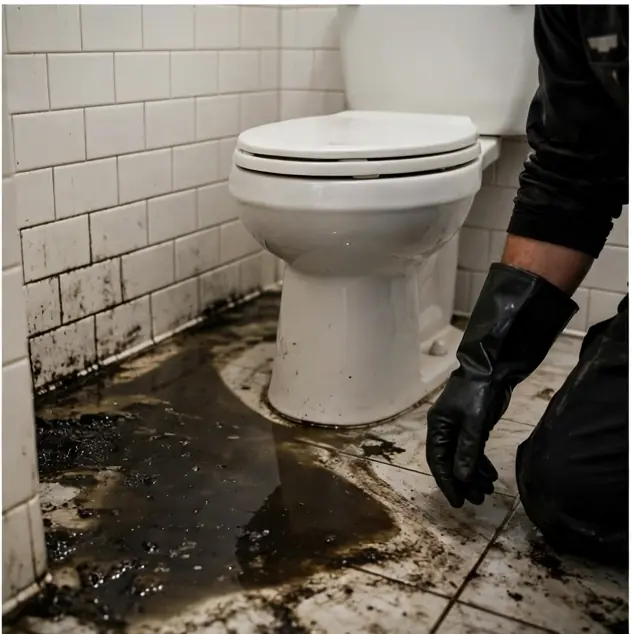
Keep everyone, especially children and pets, out of the affected rooms, and do not try to mop it up. Sewage is Category 3 water: it carries bacteria and viruses, and it contaminates porous materials on contact. A proper cleanup contains the area, removes sewage and unsalvageable materials under protective protocol, washes and sanitizes hard surfaces, then dries and verifies. Call with your address, the fixture or drain it came from, and which rooms it reached.
Restoration work grades water by what it carries. Clean supply water is Category 1. Sewage is Category 3, the grade reserved for water with bacteria, viruses and chemical contaminants, and the grade changes everything: the protective equipment, the containment, and the list of materials that may not stay in the home.
The industry name for the work is black water cleanup dallas technicians perform under Category 3 protocol, with the area sealed, air scrubbed, and contaminated porous materials bagged out rather than cleaned in place. It looks slower than mopping. It is the reason the home is safe afterward.
The affected area is sealed off and the crew works in protective gear, so contamination is not carried into clean rooms on boots, hoses or air currents.
Standing sewage is extracted, and porous materials it touched, carpet, pad, drywall to the flood line, insulation, are removed and bagged for disposal.
Hard surfaces that stay, tile, sealed concrete, fixtures, framing, are washed and treated with disinfectant rated for Category 3 work, with dwell time respected.
With contamination handled, the structure is dried like any other loss: air movement, dehumidification, and daily readings until the dry standard is met.
A final walkthrough verifies cleaned, sanitized and dry, surface by surface, before the rooms return to normal use and repairs begin.
The standard on a sewage job is not "looks clean." It is that a toddler can crawl the floor and a dog can lick it without meeting what came up the drain. Every step of the protocol, containment, removal, disinfectant dwell time, clearance check, exists to make that sentence true, and your crew should be able to explain each one.
Backups in Dallas usually have one of three causes: the city main surcharges during heavy rain and pushes back through the lowest drains, tree roots choke older clay and cast-iron laterals until they reverse, or a private line collapses. The cause decides whose problem the pipe is, but the cleanup inside your home is the same either way.
After sewer backup cleanup dallas homeowners should ask the crew about a backwater valve on the line. It is a plumber's job, not ours, and it is the one device that keeps a city surge outside your house next time.

Porous materials that sewage reached are removed because they cannot be verified clean: carpet and pad, the bottom section of affected drywall, insulation, and soft contents that absorbed it. This is not upselling demolition. It is the industry rule for Category 3, written because those materials keep contamination in the home.
What stays is everything hard and sealable: tile and grout after treatment, concrete, fixtures, and structural framing once washed, disinfected and dried. The line between the two lists is drawn by material, not by price.
Often only with a specific water backup endorsement, which many Dallas policies carry as a small add-on and many do not. Check your declarations page while the crew works, and keep the documentation either way: photos before cleanup, the identified source, and the disposal and drying log. If the endorsement is there, that file is your claim. If it is not, the same file is your record for the plumber, the city, or the next policy conversation. Either way, the documentation behind a sewer backup cleanup dallas job is what every reviewer asks for first.
It depends on the footprint. A contained backup in one bathroom, with the rest of the home dry and ventilated, is different from sewage across living areas. Keep children and pets out of affected rooms entirely, do not run the air conditioner if ducts are involved until the crew checks them, and let the inspection decide. When in doubt, err on the side of a night elsewhere.
A few cups of clean water from a fixture is one thing. A real backup is Category 3 water carrying bacteria and viruses, and it soaks into porous materials where mops and bleach cannot reach. Home cleaning also spreads contamination on shoes and equipment through clean rooms. This is the one water loss where professional containment is not an upsell, it is the point.
Porous materials that sewage touched are removed: carpet and pad, affected drywall up to the flood line, insulation, and soft furnishings that cannot be sanitized. Hard surfaces like tile, sealed concrete and fixtures are cleaned and disinfected in place. The crew documents everything removed, which matters for both safety sign-off and your claim.
Removal and sanitizing of an average bathroom backup is usually a day of work, with drying running three to five days after. Larger footprints, subfloor involvement or duct contamination extend it. The job ends with a clearance check: surfaces cleaned, disinfected, dried and verified, not just looking better.
Yes, when the sources go away. Sewage odor lives in the contaminated materials and residues, so removing what has to come out and disinfecting what stays is what ends it. Covering odor with fragrance without removing sources is how a home ends up smelling fine for a week and wrong for a year.
Standard policies often exclude sewage backup unless a specific backup endorsement is on the policy, and many Dallas homeowners have it without realizing. Either way, documentation decides: photos before cleanup, the source identified, and readings and disposal logged. Check your declarations page for a water backup or sewer endorsement while the crew works.
Our crews run across Dallas, from Downtown and Uptown to Lake Highlands, Oak Cliff, Pleasant Grove and the Park Cities side of the city, covering all 66 Dallas ZIP codes from 75201 to 75287.
For clean and grey water losses, extraction is where the job is won. See how it runs.
Category 3 work is the top of the cost scale. Here is how the number is built.
A different source, a different protocol: clean water under pressure, dried fast.
If sewage has come up in your home, keep everyone out of those rooms and make one call: the sewage backup cleanup dallas protocol starts with containment, and it starts today.
☎ Call (945) 375-4950